Client-side checklist
- Increase keep-alive / ping intervals where supported.
- Disable conflicting “speed booster” middleboxes on Wi-Fi.
- Prefer wired connections for huge directory sync priming.

Operational playbooks
Each section below is written for people under pressure: clear sequencing, explicit checkpoints, and cross-links to FAQ entries when nuance matters.
Validate hostname resolution (nslookup), reachable port (default 22 for SFTP), and absence of captive-portal interference on the client network.
Password, keyboard-interactive, and public-key flows each fail differently. Ensure the server allows your chosen method and that WinSCP’s Advanced → SSH → Authentication settings match the server policy.
If host keys rotated legitimately, update your known_hosts trust store. If unexpected, treat as potential MITM, verify out-of-band fingerprints before accepting.
Copy the exact error text into your support ticket so administrators can distinguish cipher mismatch, account lockout, and chroot-related failures.
Short idle periods or conservative throughput often come from interaction between client keep-alive defaults, NAT appliances, and server-side ClientAlive* policies.
WinSCP offers checklist-driven synchronization and background queueing for heavy jobs. Operator discipline still matters: always confirm direction, scope, and previews before you apply changes.
Preview changes in the checklist window; reconcile unexpected deletes before applying.
Explicitly label source vs target for each run; never assume bi-directional sync semantics without verifying filters.
Push long deletes or large reconciliations to background queues so UI threads remain responsive, then monitor completion in the queue inspector.
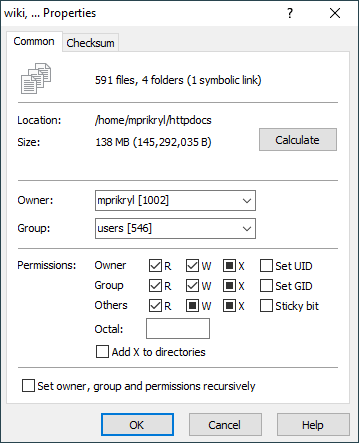
WinSCP property dialogs expose checksum tooling (tab adjacent to Common properties in supported workflows). Pair UI checks with pipeline-level sha256sum automation.
Best practice
Store digest files alongside artifacts in object storage; reject uploads where CI digest ≠ operator-local digest.
Security vendors classify behaviors, not intentions. WinSCP’s installer can create network listeners, modify shell integrations, and update itself, all normal for its category yet suspicious to naive heuristics.
Scripting and .NET assembly usage should inherit the same secrets management discipline as production services, no cleartext passwords in repos, rotate keys, and scope service accounts.